Cinematic Japan: Japanese Films that Captivated the World
 User_K
4 April 2026 - 14 June 2026
When did Japanese cinema first emerge onto the world stage?
What kinds of films have been screened in the decades since then, and how were they received at the time?
From its very beginnings, Japanese cinema set its sights on the wider world. Nagamasa Kawakita, dismayed by the inaccurate portrayal of Japan that he encountered in the opera Madama Butterfly while studying in Germany, entered the world of film out of a desire to present a more truthful image of his country abroad. In the years that followed, Japanese filmmakers took lessons from Western cinema while simultaneously cultivating a distinct filmculture of their own.
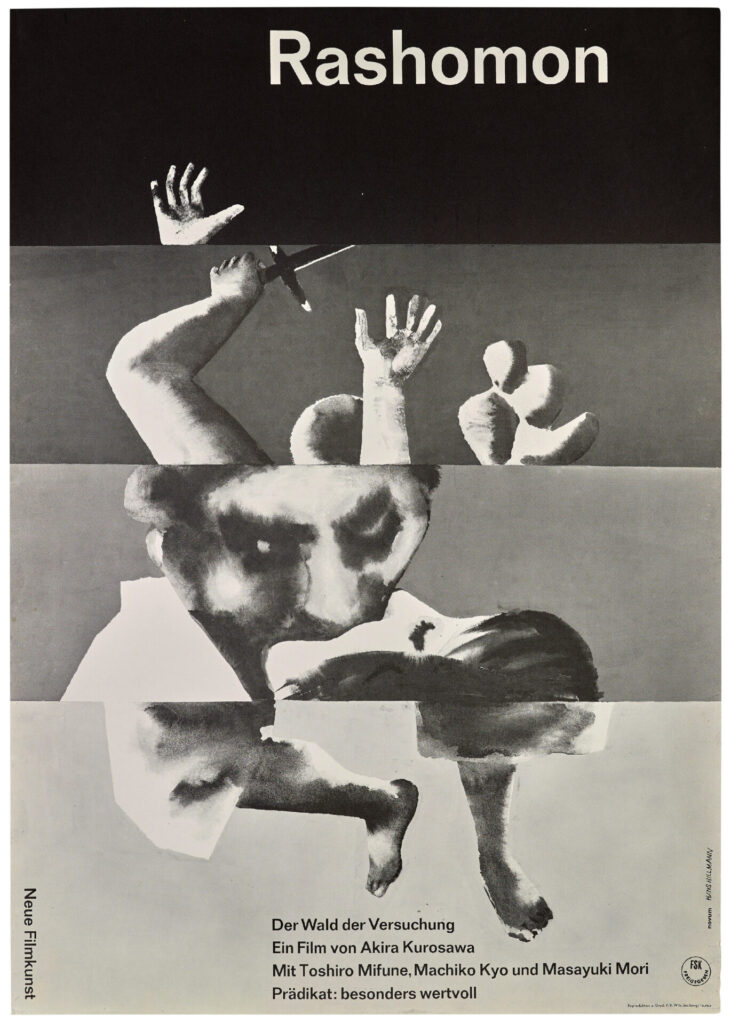
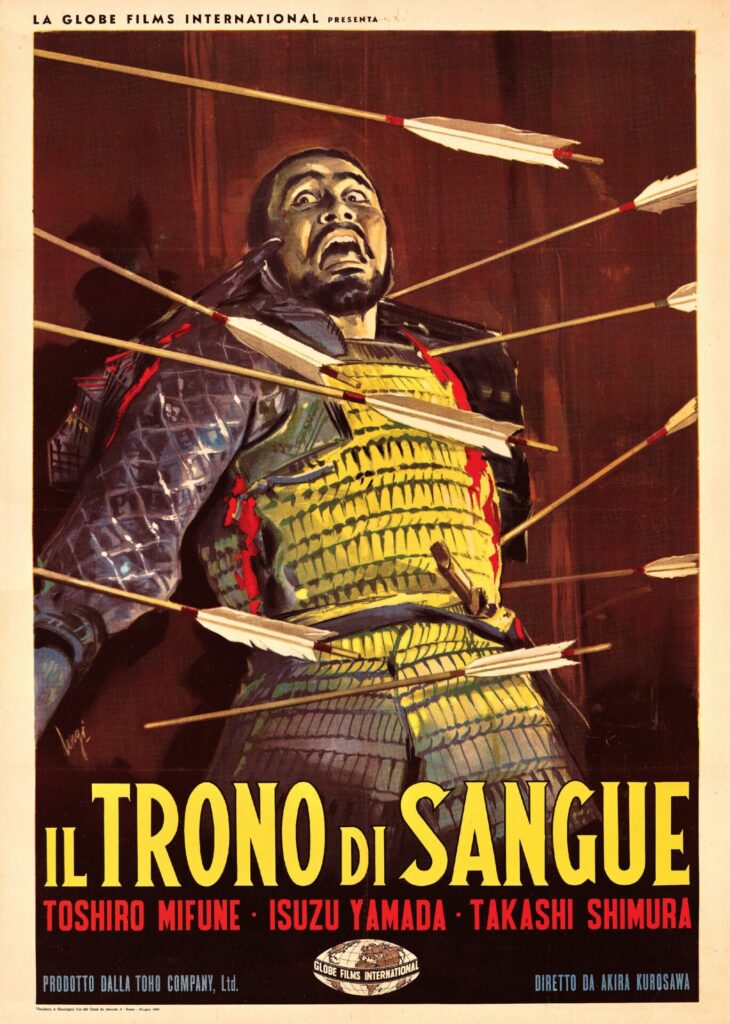
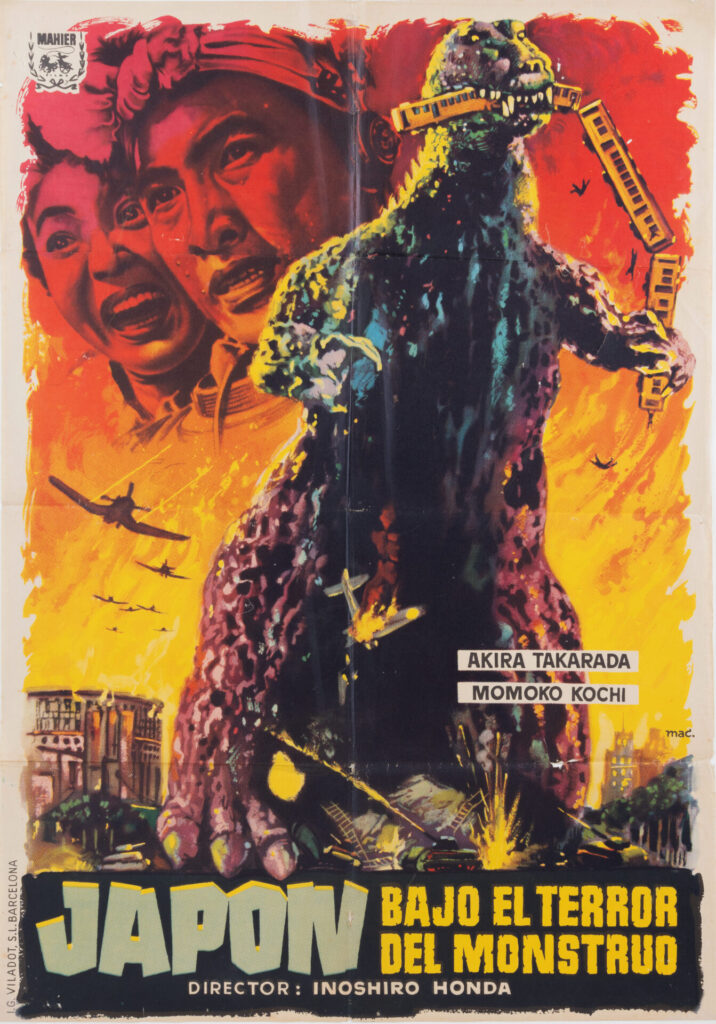
A turning point came in 1951, when Akira Kurosawa’ s Rashomon was awarded the Golden Lion at the Venice Film Festival. The accolade served as encouragement for a nation still recovering from the devastation of war, and Japanese cinema began to assert an increasingly visible presence on the international stage. Since then, Japanese films have been enjoyed around the world in all their diversity: the period dramas of Kurosawa and Kenji Mizoguchi, of course, not to mention all the other landmark works by filmmakers who would leave their mark on film history; but also popular genres shaped by Japan’ s unique cultural background̶tokusatsu (special effects) films such as Godzilla, kaidan (ghost stories), yakuza films, and more recently, horror and animation.
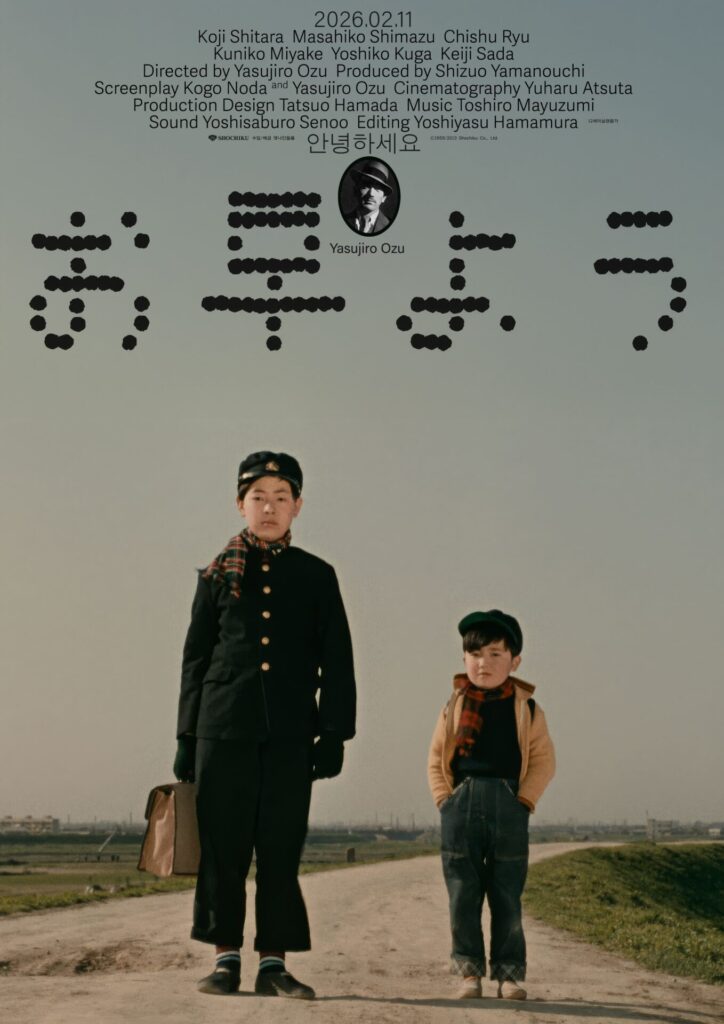
Focusing primarily on the foreign-produced film posters used to promote Japanese cinema abroad, this exhibition invites viewers to reconsider both Japanese films and the image of Japan they have portrayed, as seen through the rest of the world’ s eyes.
We hope it offers a glimpse into the rich and chaotic charms of Japanese cinema.

Admission Fee for Exhibition: Adult 300yen, Child 150yen